Unveiling Haridwar’s Heritage: Top 10 Temples & Attractions
Unveiling Haridwar’s Heritage: Top 10 Temples & Attractions
Haridwar, cradled by the divine waters of the Ganges, is a city that breathes mythology and resonates with India's spiritual essence. Every corner of this sacred town tells a tale—a symphony of devotion, mysticism, and cosmic intervention.
According to Hindu mythology, Haridwar is one of the four places where drops of Amrit, the nectar of immortality, spilled during a celestial battle between gods and demons. This event birthed the legendary Kumbh Mela, an awe-inspiring spiritual congregation visible even from space. Haridwar’s name translates to "Hari Ka Dwar," signifying its revered status as the gateway to Lord Vishnu.
But Haridwar’s tales go deeper. Have you heard of Daksha Prajapati’s slaughter by Lord Virbhadra? The tumultuous events unfolded after King Daksha insulted Goddess Sati, Lord Shiva’s consort, during a grand yajna. Lord Shiva, enraged by Sati’s demise, sent Virbhadra to avenge her, marking one of Haridwar’s most dramatic mythological episodes. After the incident of Sati’s Demise Lord Shiva Left the Haridwar, and old people say that “All the Shivlings” Disappeared From Haridwar after that. So where is the Oldest Shivalinga In Haridwar, Have you Visited That Place? Uncover these timeless tales with Yatra Manager, and begin your journey to explore Haridwar anew. Visitors can explore sites that echo this powerful story.
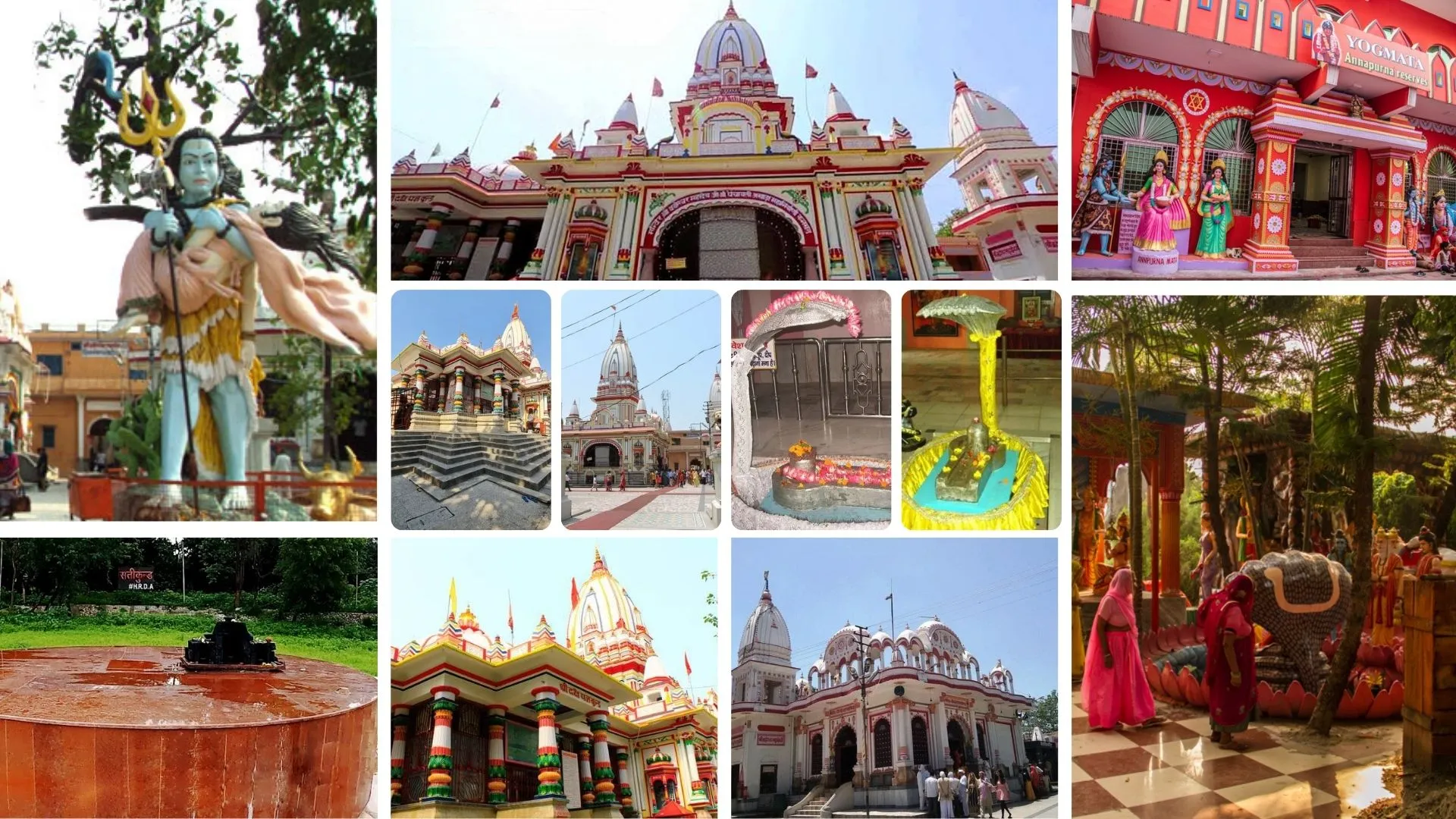
The Daksheshwara Mahadev Temple, located in Kankhal, stands as a poignant reminder of this tale. The present temple was built in 1810 CE by Queen Dhankaur, a prominent figure of the Gurjar dynasty. It was later renovated in 1962 to preserve its sanctity and historical significance. The Shivlinga at this temple is believed to have been reinstalled during its reconstruction, symbolizing Lord Shiva’s enduring presence in Haridwar.
Even Lord Shiva’s Baratis (wedding procession) had their moment in Haridwar’s lore! It’s said that when his procession, made up of ghosts, demons, and aghoris, approached, Goddess Sati requested Shiva to transform their appearances to soothe the locals of Haridwar, ensuring his celestial union was celebrated without fear.
Haridwar also houses the Maya Devi Temple, one of the oldest mythological establishments in the city. A Shakti Peeth, it is believed to mark the spot where Goddess Sati’s heart and navel fell, imbued with divine energy for millennia.
The hills of Mansa Devi and Chaminda Devi in Haridwar are not only steeped in spiritual significance but also shrouded in mystery and intrigue. According to local legends, these hills served as the hideout of Bhairav Singh, a daring dacoit who looted the British treasury during the colonial era. Bhairav Singh was known for his audacious heists and his knack for evading capture, earning him a reputation as a folk hero among the locals.
"The Hidden Treasure of Daku Sultana Daku and the Enigmatic Mysteries of Chamunda Devi : Unveiling Haridwar’s Heritage.
The story of Sultana Daku and the hidden treasures of Mansa Devi and Chamunda Devi continues to captivate the imagination of locals and visitors alike. Whether you come seeking spiritual solace or the thrill of uncovering a hidden fortune, these hills offer a journey into the heart of Haridwar's rich and enigmatic history.
The hills surrounding Mansa Devi and Chamunda Devi in Haridwar hold an aura of both divine reverence and cryptic allure. Whispers of legend tell of Sultana Daku, a fearless dacoit whose name became synonymous with cunning and bravery during the colonial era. Renowned for his bold raids on British treasure troves, Sultana Daku was celebrated as a Robin Hood-like figure, evading capture with unmatched ingenuity. These sacred hills are said to have provided sanctuary to the elusive outlaw, adding a layer of mystique to their spiritual significance and embedding his tale into the folklore of Haridwar. After one of his most daring robberies, Bhairav Singh and his gang fled to Haridwar, seeking refuge in the dense forests and rugged terrain surrounding the Mansa Devi Temple. It is said that he buried his loot—gold coins, ornaments, and other treasures—in secret locations across the hills, ensuring their safety from the British forces. The exact spots remain unknown, but occasional discoveries of gold ornaments and artifacts have kept the legend alive.
"The Mysteries of Chamunda Devi Continues to Enshroud the Valley - Iconic Place in Haridwar:
The Chamunda Devi Temple, situated just behind the Mansa Devi Temple, adds another layer of mystique to the story. This renowned temple, dedicated to Goddess Chamunda, is believed to protect the hills and their secrets. Locals often speak of the divine energy that surrounds the area, ensuring that the treasures remain hidden and untouched.
Over the years, the British declared parts of the hills off-limits to locals, citing security concerns. However, many believe this was an attempt to prevent treasure hunters from uncovering Sultana Daku's hidden fortune. Even today, the hills are a source of fascination, with visitors drawn to their spiritual and historical allure.
The occasional discovery of gold ornaments—intricately designed bangles, coins, and idols—has only added to the intrigue. These findings are often accompanied by tales of strange occurrences, such as tools breaking unexpectedly or paths disappearing, leading many to believe that the hills are protected by a supernatural force.
Your Ultimate Guide to Iconic Temples and Must-Visit Places : Unveiling Haridwar’s Heritage:


Comments
Post a Comment